Why we make DIO X
We Got Tired of Choosing.
So We Built Something Else.
What we see
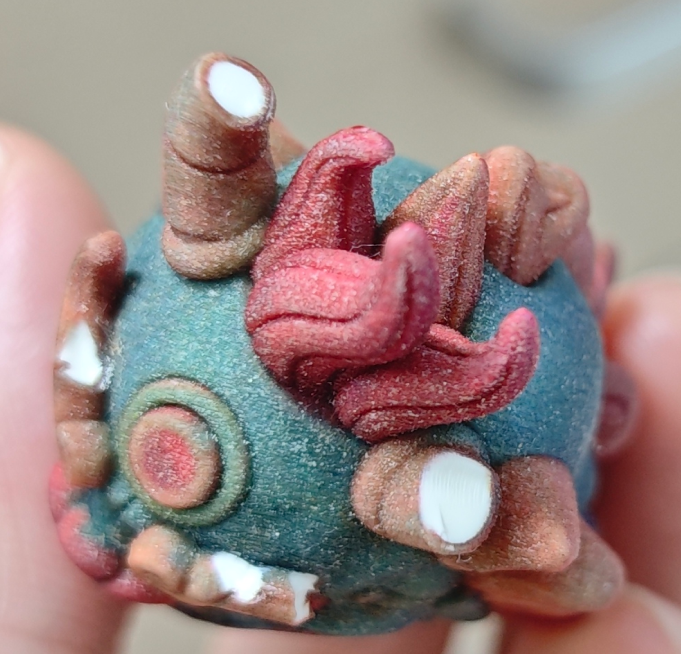
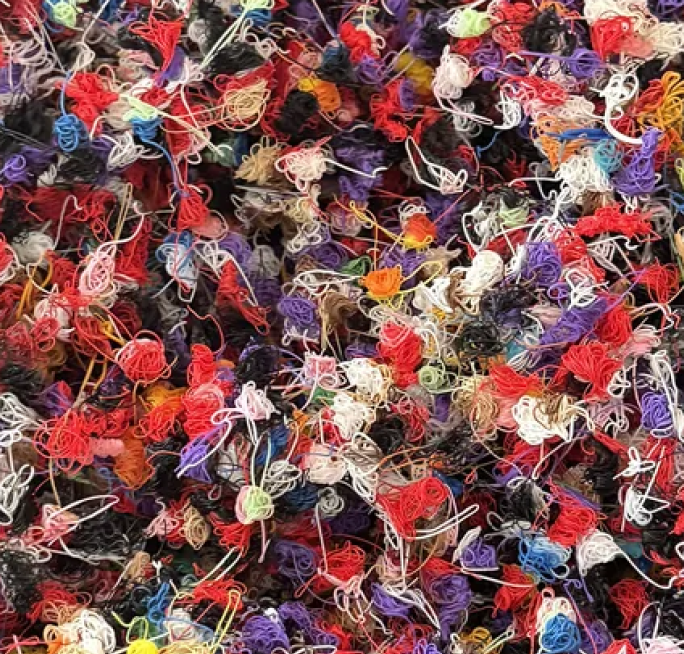
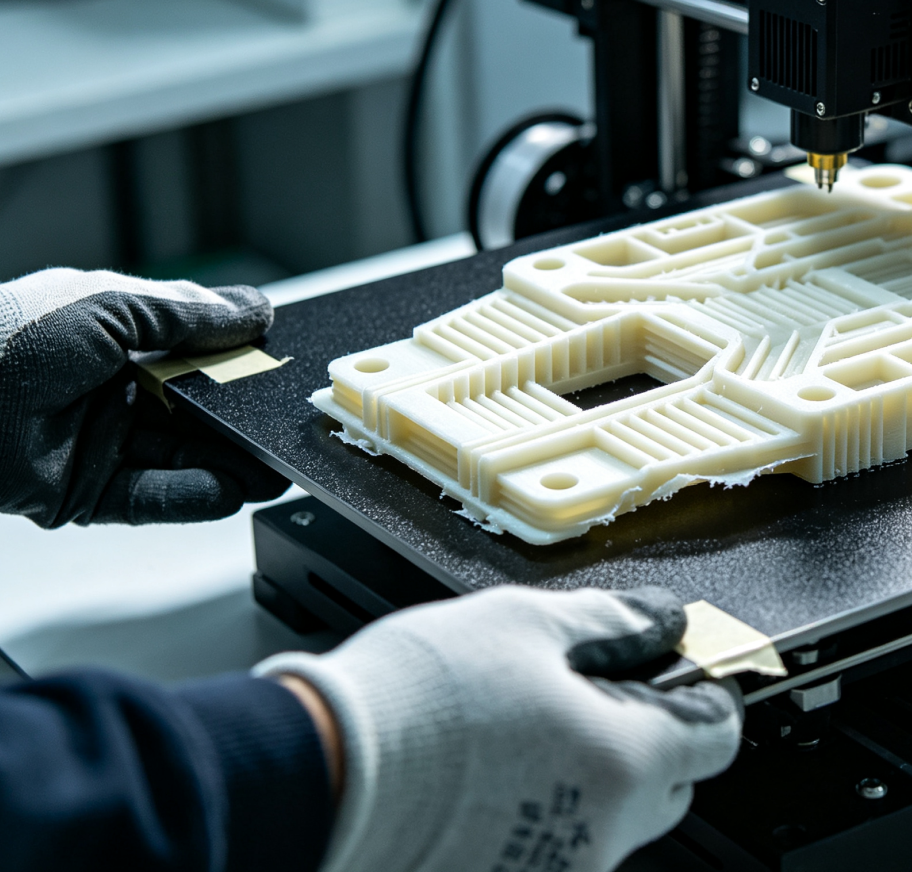
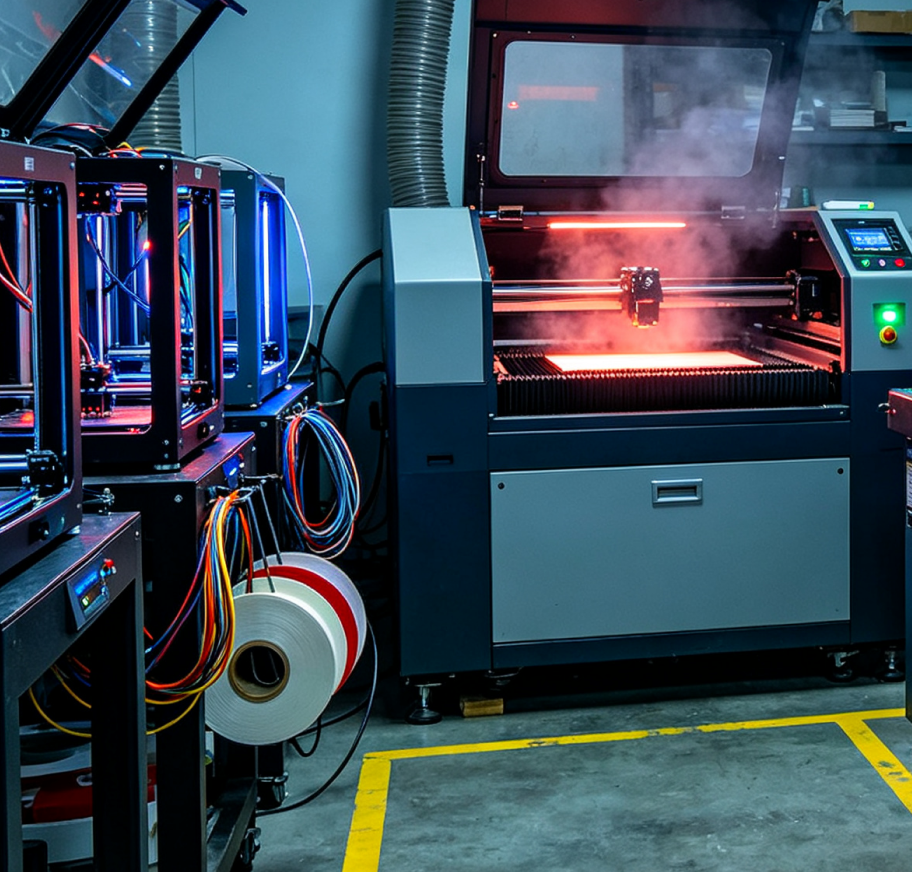
Right now, buying a desktop 3D printer means picking a side, and every side comes with a catch. UV printing gets you full color, but not a crisp, dependable structure: parts stay fragile no matter how good they look. Push FDM into multi-color, and you're stuck watching filament burn away in purge waste, then waiting through every color swap. And if you actually want the full workflow (structure, color, cutting), you end up stacking multiple machines just to get there, eating up your space and your budget. That's been the story of desktop manufacturing for the past year: multiple tracks, multiple trade-offs, and brands racing to out-spec each other instead of solving the actual problem. Faster swaps. More channels. None of it changes the choice you're stuck making.
Waste
Waiting
Complex
What we build
Instead of picking a side, we started from a different question. What if FDM and UV weren't two separate tracks, but one coloring process?
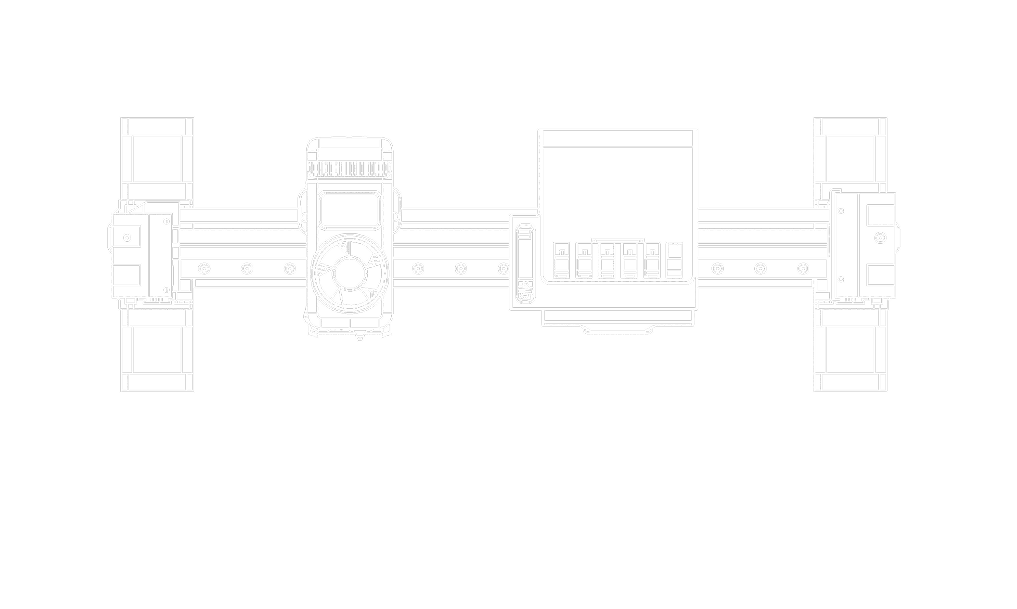
That's where DIO X begins. A dual-toolhead architecture, paired with our own color-slicing software, lets a model keep FDM's structural strength while picking up the color quality people normally only get from UV printing. And because ink only needs to reach the outer layer instead of the entire part, it comes with less waste and less time spent waiting for a color to finish.
Once we had that architecture working, we realized we'd built something bigger than a coloring solution. A dual toolhead that can swap this fast doesn't have to stop at FDM and UV. It can become a starting point: FDM paired with a laser, UV paired with a cutting blade, whatever combination the job calls for. That possibility got the whole team genuinely excited, and it's what DIO X has grown into.
Comming Soon on

Who we are
Our team is made up of experts who've spent years deep in this industry, and also people who needed this machine in their own lives. There's a dad who just wanted to build his son a toy exactly the way he pictured it. There's a small business owner running a custom-order shop who kept hitting the same wall between structure and color. There's a hobbyist who wanted to give a figurine the kind of color gradient only a professional airbrush could pull off. That's exactly why a design like this gets us excited. We built the thing we each needed, then realized everyone else needed it too.